Real Aqua RO Water Purifier in kavalkinaru
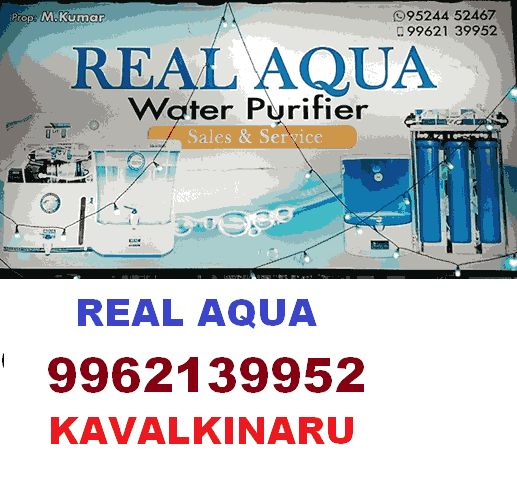
Address Info
Tamil Nadu 627105
The Importance of Clean Water: Choosing the Best Water Purifier
RO Water Purifier in kavalkinaru In today's world, access to clean and safe drinking water is more important than ever. With increasing pollution and contaminants in our water sources, having a reliable water purifier at home is essential for maintaining good health. But with so many options available on the market, how do you choose the best water purifier for your needs?
Understanding the Need for Water Purification
Water is essential for our survival, but not all water is safe to drink. Contaminants such as bacteria, viruses, chemicals, and heavy metals can be present in our drinking water, posing serious health risks. Water purification is the process of removing these contaminants to make water safe for consumption.
Types of Water Purifiers
There are several types of water purifiers available, each using different methods to remove contaminants from water. Some common types include:
1. Reverse Osmosis (RO) Water Purifiers
RO water purifiers use a semipermeable membrane to remove impurities from water. These systems are effective at removing a wide range of contaminants, making them a popular choice for home use.
2. UV Water Purifiers
UV water purifiers use ultraviolet light to kill bacteria and other microorganisms in water. While they are effective at disinfecting water, they may not remove other types of contaminants.
3. Activated Carbon Filters
Activated carbon filters work by adsorbing contaminants onto a porous surface. These filters are effective at removing chemicals, odors, and bad tastes from water.
4. Distillation Systems
Distillation systems boil water to create steam, which is then condensed back into liquid form. This process removes contaminants by separating them from the water vapor.
Factors to Consider When Choosing a Water Purifier
1. Contaminants in Your Water
Before choosing a water purifier, it's important to test your water to determine the contaminants present. This will help you select a purifier that is effective at removing those specific contaminants.
2. Water Usage
Consider how much water you and your family consume on a daily basis. Choose a water purifier that can meet your daily water needs without compromising on purification quality.
3. Maintenance and Operating Costs
Different types of water purifiers have varying maintenance requirements and operating costs. Consider these factors when choosing a purifier to ensure that it fits within your budget.
4. Installation and Space Requirements
Some water purifiers are designed to be installed under the sink, while others can be placed on the countertop. Consider your kitchen layout and available space when choosing a water purifier.
Conclusion
Having a reliable water purifier at home is crucial for ensuring that you and your family have access to clean and safe drinking water. Consider the types of contaminants in your water, your water usage, maintenance costs, and installation requirements when choosing a water purifier. With the right purifier in place, you can enjoy peace of mind knowing that your water is free from harmful contaminants.