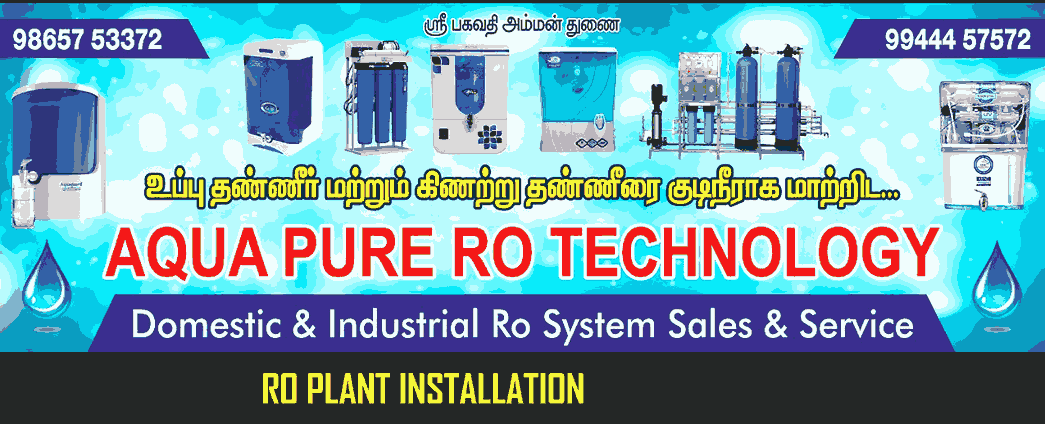
Aqua Pure ro plant in ramanathapuram
Address Info
Ramanathapuram district
The Ultimate Guide to RO Plants
ro plant manufacturers in ramanathapuram In today's world, with the increasing pollution levels and declining quality of water, it has become more important than ever to invest in a reliable water purification system. One such system that has gained immense popularity in recent years is the RO plant. But what exactly is an RO plant, and how does it work? In this article, we will delve into the world of RO plants and explore everything you need to know about them.
What is an RO Plant?
commercial RO stands for Reverse Osmosis, which is a process that uses a semi-permeable membrane to remove impurities from water. An RO plant is a water purification system that uses this process to filter out contaminants and provide clean, safe drinking water. These plants are commonly used in residential, commercial, and industrial settings to ensure the quality of water meets the required standards.
How Does an RO Plant Work?
At the heart of an industrial RO plant is a semi-permeable membrane that allows only water molecules to pass through while trapping impurities such as bacteria, viruses, chemicals, and heavy metals. The water is forced through this membrane at high pressure, resulting in purified water on one side and concentrated contaminants on the other. This purified water is then collected and stored for consumption.
What Are the Benefits of Using an RO Plant?
There are several benefits to using an 1000 lph RO plant price for water purification:
Removal of Contaminants: An 50 liter RO plant effectively removes a wide range of contaminants, ensuring that the water is safe to drink.
Improved Taste: The purification process also improves the taste of water by removing any unpleasant odors or flavors.
Health Benefits: By removing harmful impurities, an 20 litre RO plant dealers helps protect against waterborne diseases and promotes better overall health.
Cost-effective: While the initial investment in an 250 ltr RO plant installation may seem high, the long-term savings on bottled water and medical bills make it a cost-effective solution.
How to Choose the Right RO Plant?
When selecting an RO plant for your home or business, there are several factors to consider:
Water Quality: Assess the quality of water in your area to determine the level of purification required.
Daily Water Usage: Calculate the daily water usage to determine the capacity of the RO plant needed.
Budget: Consider your budget and choose an RO plant that offers the best value for money.
Brand Reputation: Research different brands and choose one with a reputation for quality and reliability.
Maintenance Tips for RO Plants
To ensure the longevity and efficiency of your RO plant, follow these maintenance tips:
Regular Filter Replacement: Replace the filters at regular intervals as recommended by the manufacturer.
Cleaning: Clean the membrane and other components of the RO plant periodically to prevent the buildup of contaminants.
Professional Servicing: Schedule regular servicing by a qualified technician to check for any issues and ensure proper functioning.
Monitor Performance: Keep an eye on the performance of the RO plant and address any issues promptly to avoid costly repairs.
In conclusion, an RO plant is a reliable and effective solution for water purification, providing clean and safe drinking water for your home or business. By understanding how an RO plant works, the benefits it offers, and how to choose and maintain one, you can ensure a constant supply of high-quality water for years to come. So why wait? Invest in an RO plant today and enjoy the peace of mind knowing that your water is safe and pure.