Pure Life System 25 LPH & 50 LPH RO Plant in Erode
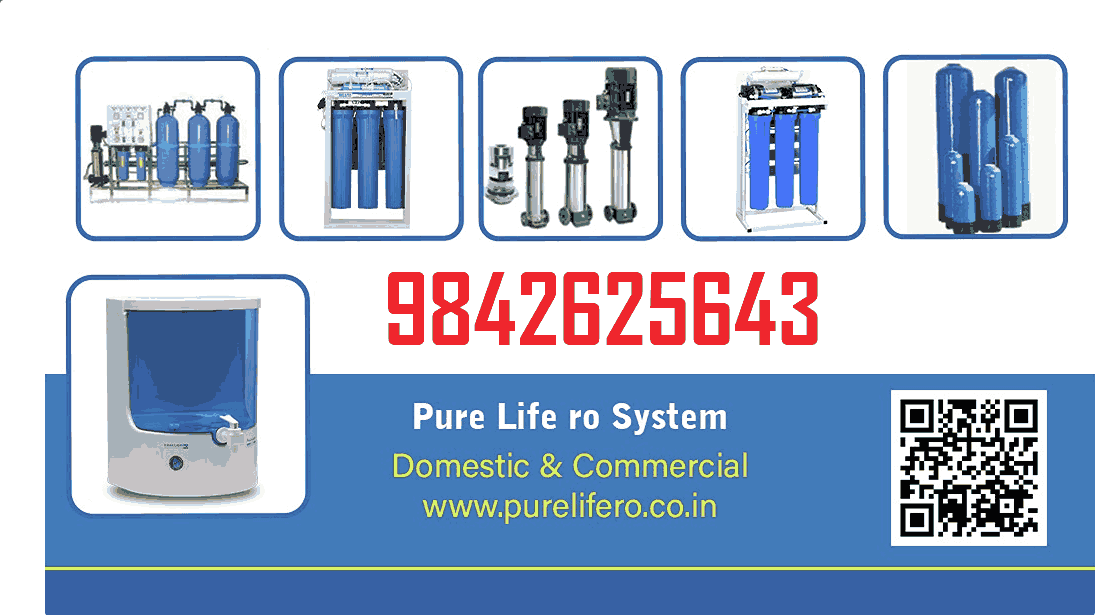
Address Info
Erode, Tamil Nadu 638011
The Ultimate Guide to RO Plant Prices
Introduction
RO plant manufacturers in Erode Are you considering investing in a Reverse Osmosis (RO) plant for your home or business? If so, one of the key factors you'll need to consider is the price. In this comprehensive guide, we'll break down everything you need to know about 1000 lph RO plant price, including factors that influence pricing, average costs, and tips for getting the best deal.
Factors Influencing RO Plant Prices
1. Size and Capacity
The size and capacity of an 500 liter RO plant dealers will have a significant impact on its price. Larger plants with higher capacities will generally be more expensive than smaller, low-capacity models.
2. Brand and Quality
The brand and quality of an 25 litre RO plant will also play a role in determining its price. Well-known brands that are known for their high-quality products may come with a higher price tag, but they often offer better performance and durability.
3. Features and Technology
25 LPH & 50 LPH RO plants come with a variety of features and technological advancements that can influence their price. Plants with advanced filtration systems, digital displays, and smart technology will typically be more expensive than basic models.
4. Maintenance and Operating Costs
It's important to consider not just the upfront cost of an 10 ltr RO plant installation, but also the long-term maintenance and operating costs. Some plants may have lower upfront costs but higher ongoing expenses, so be sure to factor this into your decision.
Average Cost of RO Plants
The cost of an RO plant can vary widely depending on the factors mentioned above. On average, you can expect to pay anywhere from $200 to $2000 or more for a residential RO plant, while commercial and industrial plants can range from $2000 to $20,000 or higher.
Tips for Getting the Best Deal on an RO Plant
1. Research and Compare Price
Take the time to research and compare prices from different manufacturers and retailers. Look for promotions, discounts, and special offers that can help you save money on your purchase.
2. Consider Long-Term Savings
While it may be tempting to opt for the cheapest RO plant available, consider the long-term savings of investing in a higher-quality, more efficient model. A plant that operates more efficiently can save you money on water and energy costs over time.
3. Negotiate with Suppliers
Don't be afraid to negotiate with suppliers to try to get the best deal possible. They may be willing to offer discounts or special pricing to win your business.
4. Take Advantage of Financing Options
If the upfront cost of an RO plant is a concern, look for financing options that can help spread out the cost over time. Many manufacturers and retailers offer financing plans with competitive interest rates.
Conclusion
When it comes to investing in an RO plant, understanding the pricing factors, average costs, and tips for getting the best deal can help you make an informed decision. By considering these factors and doing your research, you can find an RO plant that meets your needs and budget. Remember, investing in a high-quality plant may require a larger upfront investment, but it can pay off in the long run with improved performance and savings on operating costs.