Dharun Interior Designers in Paramakudi
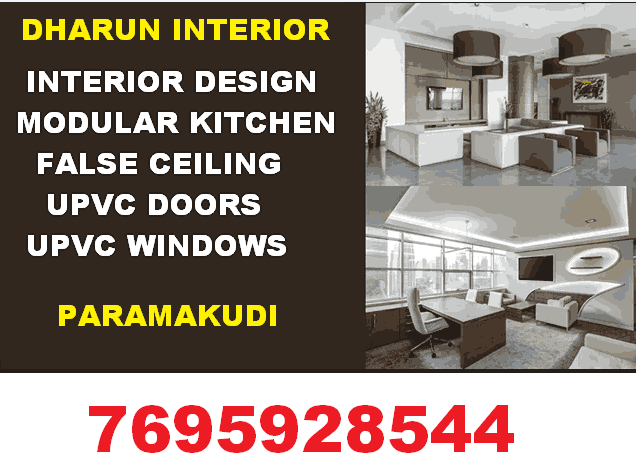
The Art of Interior Designers in Paramakudi: Creating the Perfect Space
What is Interior Design?
Interior design is not just about arranging furniture and selecting paint colors. It is an art form that involves creating functional and aesthetically pleasing spaces. Interior designers use their creativity and expertise to transform ordinary rooms into extraordinary living spaces.
The Importance of Interior Design
Good interior design can have a significant impact on our well-being. A well-designed space can improve our mood, increase productivity, and reduce stress. By creating a space that is both beautiful and functional, interior designers can enhance our quality of life.
Key Elements of Interior Design
Color
Color is one of the most important elements of interior design. Different colors can evoke different emotions and set the tone for a room. For example, warm colors like red and orange can create a cozy and inviting atmosphere, while cool colors like blue and green can promote relaxation and tranquility.
Lighting
Lighting is another crucial element of interior design. Proper lighting can enhance the ambiance of a room and highlight its features. Natural light is always the best option, but artificial lighting can also be used to create the desired effect.
Furniture
Furniture plays a key role in interior design. The right furniture can make a room feel comfortable and inviting, while the wrong furniture can make it feel cluttered and cramped. It is important to choose furniture that is both functional and stylish.
Texture
Texture adds depth and dimension to a room. By combining different textures like wood, metal, and fabric, interior designers can create visual interest and tactile appeal. Texture can also help to soften the look of a room and make it feel more inviting.
The Process of Interior Design
Initial Consultation
The first step in the interior design process is the initial consultation. During this meeting, the designer will discuss the client's needs, preferences, and budget. This is also an opportunity for the designer to get a feel for the client's style and vision for the space.
Concept Development
Once the designer has a clear understanding of the client's needs and preferences, they will develop a concept for the space. This will include a color scheme, furniture layout, and overall design aesthetic. The client will have the opportunity to provide feedback and make any necessary changes.
Implementation
After the concept has been approved, the designer will begin the implementation phase. This may involve painting, furniture selection, lighting installation, and accessorizing. The designer will work closely with contractors and vendors to ensure that the project stays on track and within budget.
Final Reveal
The final step in the interior design process is the reveal. This is when the client gets to see the finished space for the first time. The designer will walk the client through the room, explaining each design choice and highlighting the features of the space. This is always an exciting moment for both the designer and the client.
Conclusion
Interior design is a multifaceted art form that requires creativity, skill, and an eye for detail. By understanding the key elements of interior design and the design process, you can create spaces that are not only beautiful but also functional and inspiring. Whether you are designing a single room or an entire home, investing in good interior design is always worth it.