Vijay Innovations cctv camera in sathankulam

6379969626
Address Info
Near bus stand
The Evolution of cctv camera in sathankulam: Keeping an Eye on Safety
In today's rapidly advancing world, the need for security has become more crucial than ever. Crime rates are on the rise, and people are seeking ways to protect themselves, their loved ones, and their belongings. One of the most popular methods of ensuring safety is the use of CCTV cameras.
What is a CCTV Camera?
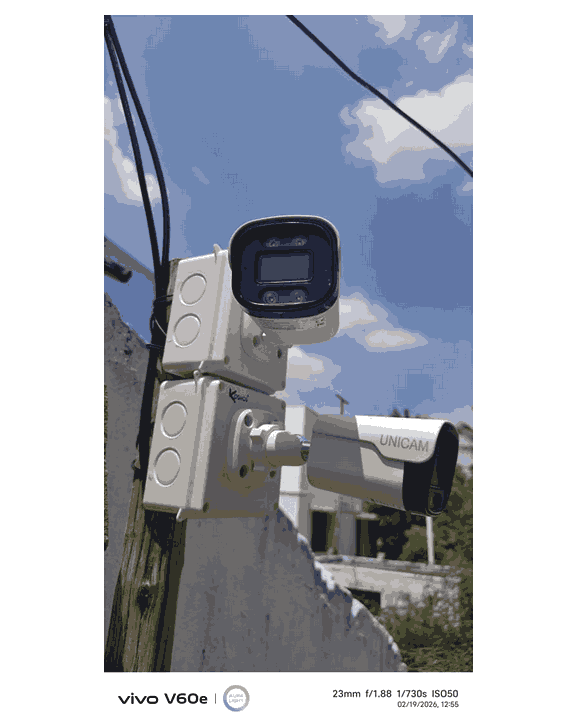
Closed-circuit television cameras, or CCTV cameras, are surveillance systems that allow you to monitor specific areas or properties in real-time. These cameras are connected to a central monitoring system, where the footage is recorded and can be accessed later if needed.
The Benefits of CCTV Cameras
Deterrent to Crime
The presence of CCTV cameras alone can act as a deterrent to potential criminals. Knowing that their actions are being recorded increases the chances of them being caught and held accountable for their actions.
Evidence Collection
In the unfortunate event of a crime occurring, CCTV footage can serve as crucial evidence in identifying the perpetrators and helping the authorities in their investigation. This footage can also be used in court to support claims and accusations.
Remote Monitoring
With advancements in technology, CCTV cameras now come equipped with features that allow remote monitoring. This means that you can access the live feed from your cameras on your smartphone or computer, no matter where you are.
Peace of Mind
Knowing that your property is under surveillance can provide you with peace of mind. Whether you're at home or away, you can rest assured that your belongings are protected.
The Evolution of CCTV Cameras
Analog Cameras
The earliest CCTV cameras were analog cameras that required a direct connection to a recording device, such as a VCR, to capture and store footage. While these cameras were effective, they had limitations in terms of image quality and storage capacity.
Digital Cameras
With the advent of digital technology, CCTV cameras evolved to digital cameras that could capture high-resolution footage and store it digitally. This allowed for better image quality and easier access to recorded footage.
IP Cameras
Internet Protocol (IP) cameras took CCTV surveillance to the next level by enabling the cameras to connect to the internet. This meant that the footage could be accessed remotely, making it easier for users to monitor their properties from anywhere in the world.
Wireless Cameras
Wireless CCTV cameras further revolutionized surveillance systems by eliminating the need for cables and wires. These cameras can be easily installed and moved around without the hassle of wiring, making them a popular choice for both residential and commercial properties.
Conclusion
In conclusion, CCTV cameras have come a long way from their humble beginnings as analog cameras to the advanced IP and wireless cameras of today. These surveillance systems have proven to be highly effective in deterring crime, collecting evidence, and providing peace of mind to users. As technology continues to evolve, we can only expect CCTV cameras to become even more sophisticated and efficient in ensuring the safety and security of our homes and businesses.